
The place · Through the centuries
The Château

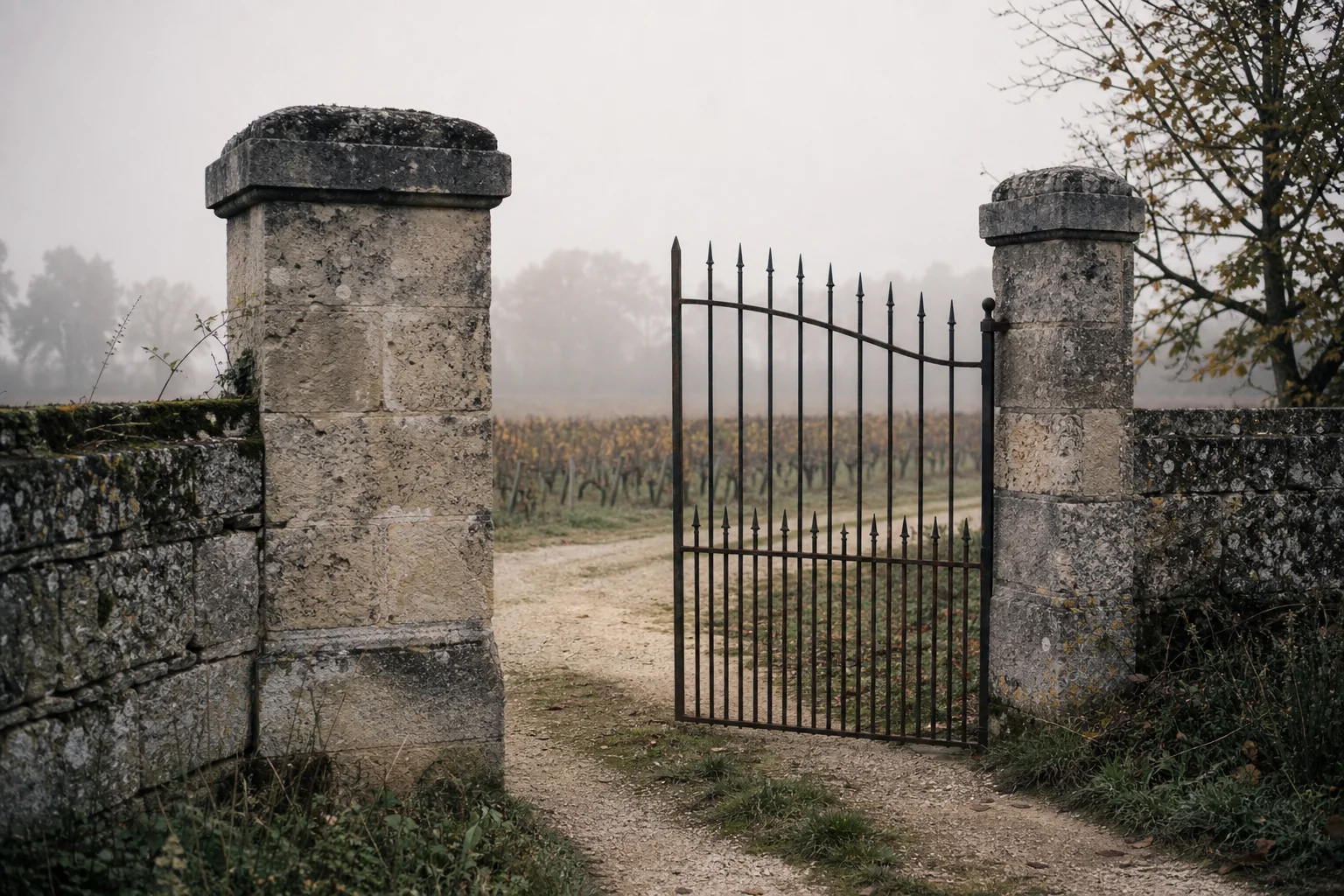
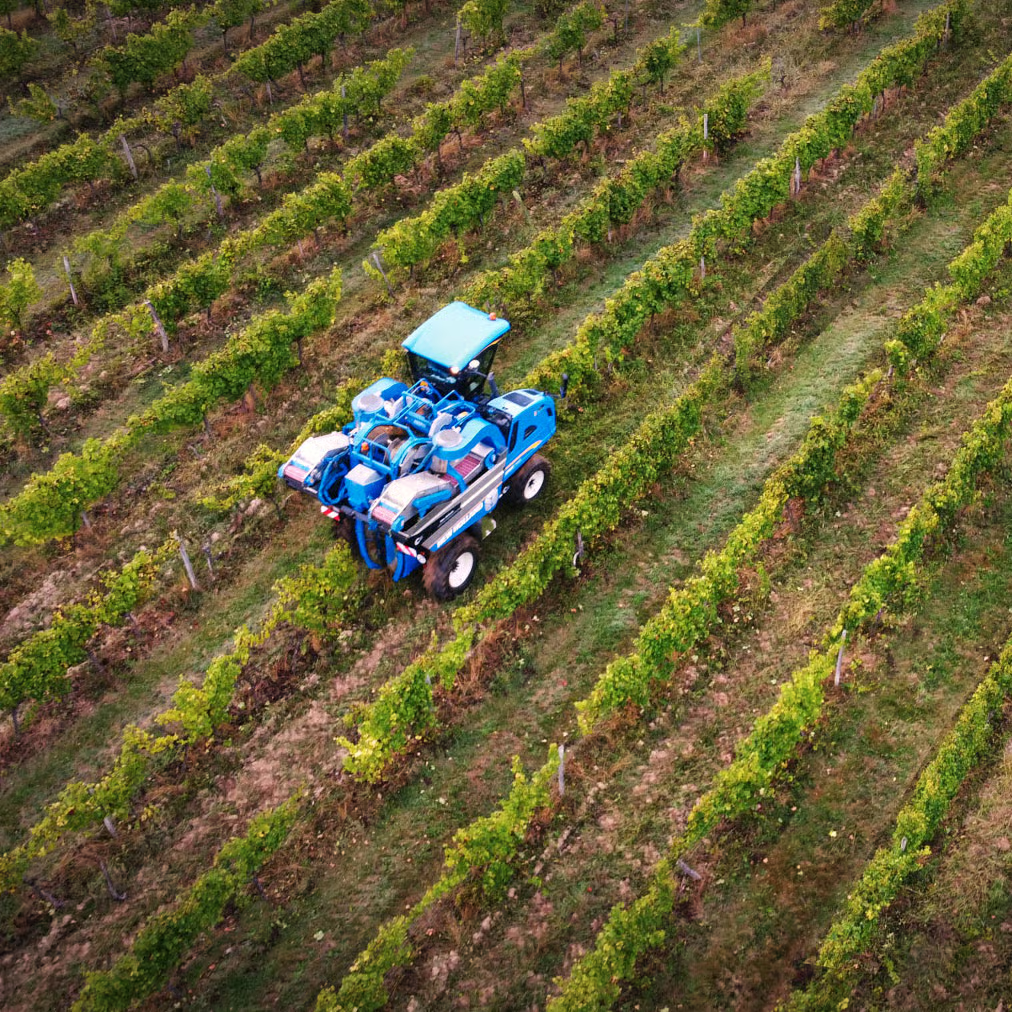
Twenty-five kilometres south of Saint-Émilion, the Launay vines extend below the highest point in Gironde.
Château de Launay is located in Soussac in Entre-Deux-Mers, between the Garonne and the Dordogne river 25 km south of Saint-Emilion. It is the highest point of the Gironde region.
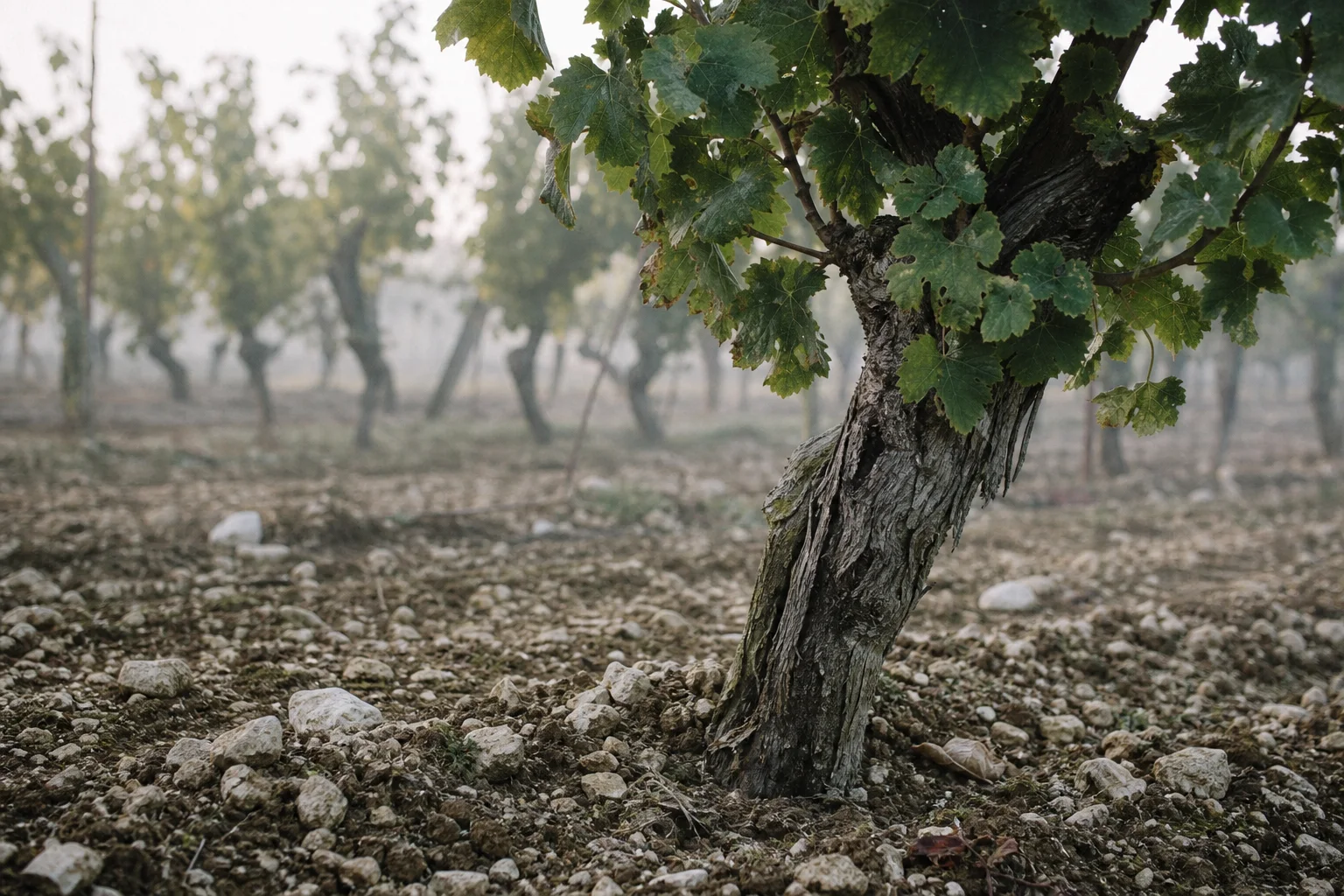
Chateau Launay’s vineyards extend to the foot of the Launay hill (highest point at 150 m) and benefit from an exceptional clay-limestone soil: marine limestone decomposed in the form of micro particles mixed with clay, which at the same time gives a very filtering ground as well a soil which retains water reserves in periods of great drought as in 2003.
The Butte of Launay
The “Butte” of Launay has been occupied since the Middle Palaeolithic, serving as a surveillance point for the passage of game. The place then became a Celtic oppidum (overhanging fortification). It is then recovered during the conquest of the Gauls by a cohort of Caesar.
A little later, a Merovingian necropolis, dating back to the 6th or 8th century, was installed on an old pagan temple, which became an early Christian church then named Saint-Martin chapel, unfortunately destroyed in 1777.
In the 18th century, the royal map of Beleyme indicates three windmill towers and the remains of the Saint-Martin chapel on the Launay hill. In the 19th century, it still housed three windmills, of which only one remained surmounted by a crenellated terrace and an observatory.
The stone of Entre-Deux-Mers
Gates, walls and traces of time.